Designing Biophilic Spaces with Natural Materials
Explore how natural acoustic materials like mycelium panels support biophilic design principles, creating healthier, more inspiring spaces that connect occupants with nature.

Introduction to Biophilic Design
In our increasingly urbanized world, the connection between humans and nature has never been more important—or more fragmented. Biophilic design seeks to bridge this gap by bringing nature into built environments, creating spaces that nurture our innate need to connect with the natural world.
At the heart of biophilic design lies a simple truth: humans thrive when surrounded by nature. Research shows that incorporating natural elements into interior spaces reduces stress, enhances creativity, improves cognitive function, and promotes overall well-being.
The Role of Natural Materials
Natural materials play a crucial role in biophilic design. Unlike synthetic alternatives, materials like wood, stone, and mycelium carry the visual and tactile qualities of nature itself. They age gracefully, develop patina, and create sensory experiences that synthetic materials cannot replicate.
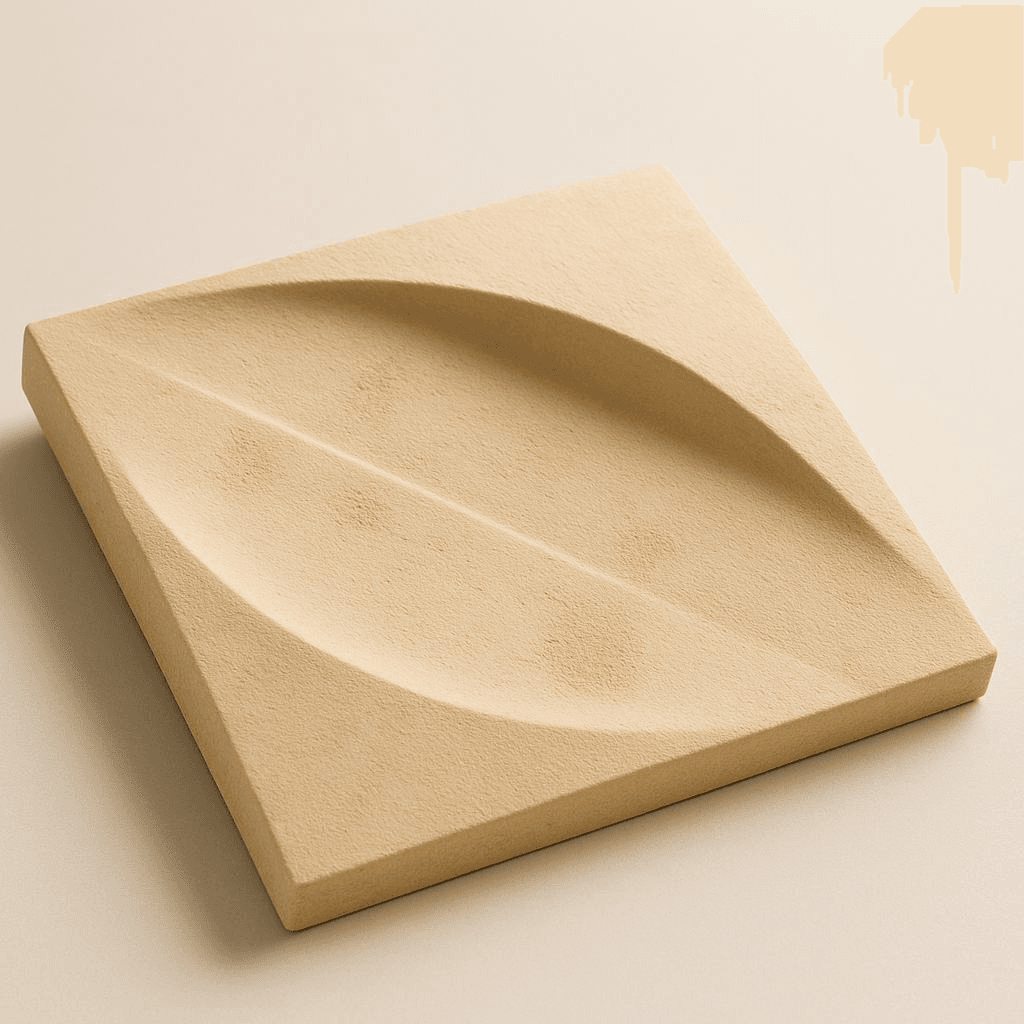
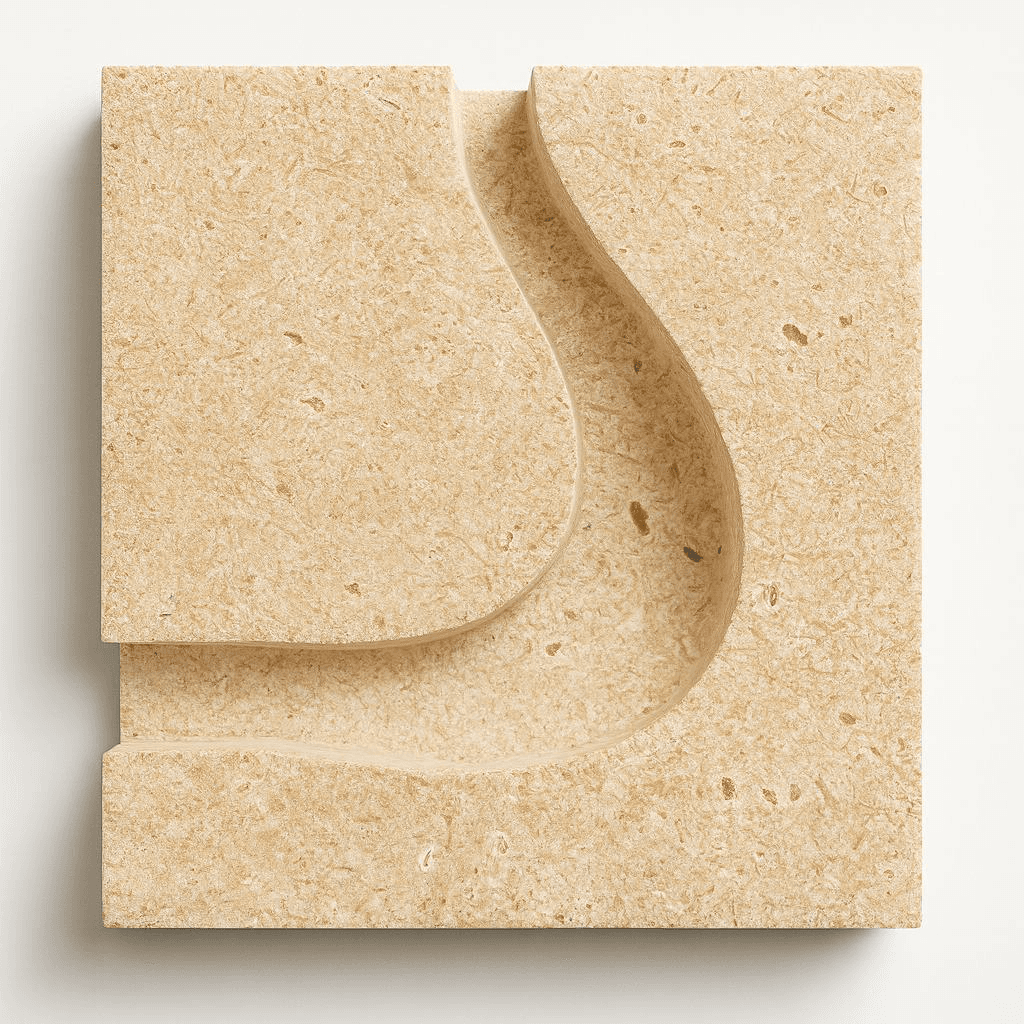
Mycelium-based acoustic panels exemplify this principle perfectly. Grown from mushroom roots and agricultural waste, these panels bring authentic natural textures into interior spaces while serving essential acoustic functions.
Acoustic Comfort as Biophilic Design
Sound quality is an often-overlooked aspect of biophilic design. Natural environments feature diverse, balanced soundscapes—from rustling leaves to flowing water. In contrast, hard, reflective urban interiors create harsh acoustic environments that increase stress and reduce comfort.
Natural acoustic materials like mycelium panels help create the acoustic conditions found in nature: soft, absorptive surfaces that reduce echoes and create balanced sound environments. This acoustic comfort is essential for spaces where people work, learn, heal, and live.
Visual Connection to Nature
Beyond their functional benefits, mycelium panels offer direct visual connections to nature through their organic textures and growth patterns. Each panel is unique, showcasing the natural growth of mycelium threads in ways that no manufactured product can replicate.
This authenticity matters. Studies show that even views of nature—whether through windows or in images—reduce stress and improve mood. Natural materials extend this benefit, creating three-dimensional, tactile connections to the natural world.
Sustainability as Biophilia
True biophilic design extends beyond aesthetics to embrace environmental responsibility. Materials that harm the environment ultimately disconnect us from nature, even if they mimic natural forms.
Mycelium panels embody sustainable biophilic design: grown from waste materials, requiring minimal energy, and fully biodegradable at end of life. They represent a closed-loop approach where human design works with nature rather than against it.
Implementing Biophilic Acoustic Design
For architects and designers, implementing biophilic acoustic design means considering both function and experience. Mycelium panels can be arranged in patterns that echo natural forms—flowing, irregular, organic—rather than rigid geometric grids.
Combine acoustic panels with other biophilic elements: natural light, plants, natural color palettes, and views to nature. The result is spaces that feel fundamentally different—calmer, more inspiring, more human.
Conclusion
Biophilic design with natural acoustic materials represents the future of sustainable architecture. As we spend more time indoors, creating spaces that connect us with nature becomes not just desirable, but essential for human health and well-being.
Mycelium acoustic panels offer a practical, beautiful way to bring biophilic principles into any space, proving that performance and sustainability can coexist with natural beauty.