Understanding Acoustic Performance: NRC Ratings Explained
Learn how Noise Reduction Coefficient (NRC) ratings work and why Taftirium panels' 0.50-0.70 range delivers professional acoustic performance for commercial and residential spaces.

What is NRC?
When selecting acoustic panels for your space, understanding NRC ratings is essential for making informed decisions. Let's break down what these numbers mean and how Taftirium's mycelium panels perform in real-world applications.
NRC stands for Noise Reduction Coefficient—a single number that represents how much sound a material absorbs. The scale runs from 0 to 1, where 0 means the material reflects all sound (like concrete) and 1 means it absorbs all sound (theoretically perfect, rarely achieved).
How NRC is Measured
NRC is calculated by testing how much sound a material absorbs at four specific frequencies: 250Hz, 500Hz, 1000Hz, and 2000Hz. These frequencies cover the range of human speech and most common environmental sounds.
The absorption coefficients at these four frequencies are averaged to produce the NRC rating. For example, if a material absorbs 60% of sound at each frequency, it would have an NRC of 0.60.
Understanding the Numbers
Here's how to interpret NRC ratings in practical terms:
NRC 0.00-0.20: Minimal absorption. Hard surfaces like concrete, glass, and painted walls fall into this range. Sound bounces off these surfaces, creating echoes and reverberation.
NRC 0.20-0.50: Moderate absorption. Carpet, curtains, and some acoustic tiles. Provides basic acoustic improvement but limited for professional applications.
NRC 0.50-0.70: Good absorption. This is where Taftirium mycelium panels perform. Suitable for offices, restaurants, classrooms, and residential spaces requiring acoustic control.
NRC 0.70-0.90: High absorption. Specialized acoustic products, thick fiberglass panels. Used in recording studios, theaters, and critical listening environments.
NRC 0.90-1.00: Maximum absorption. Rare and typically expensive. Often overkill for most applications.
Why Taftirium Panels Perform at 0.50-0.70
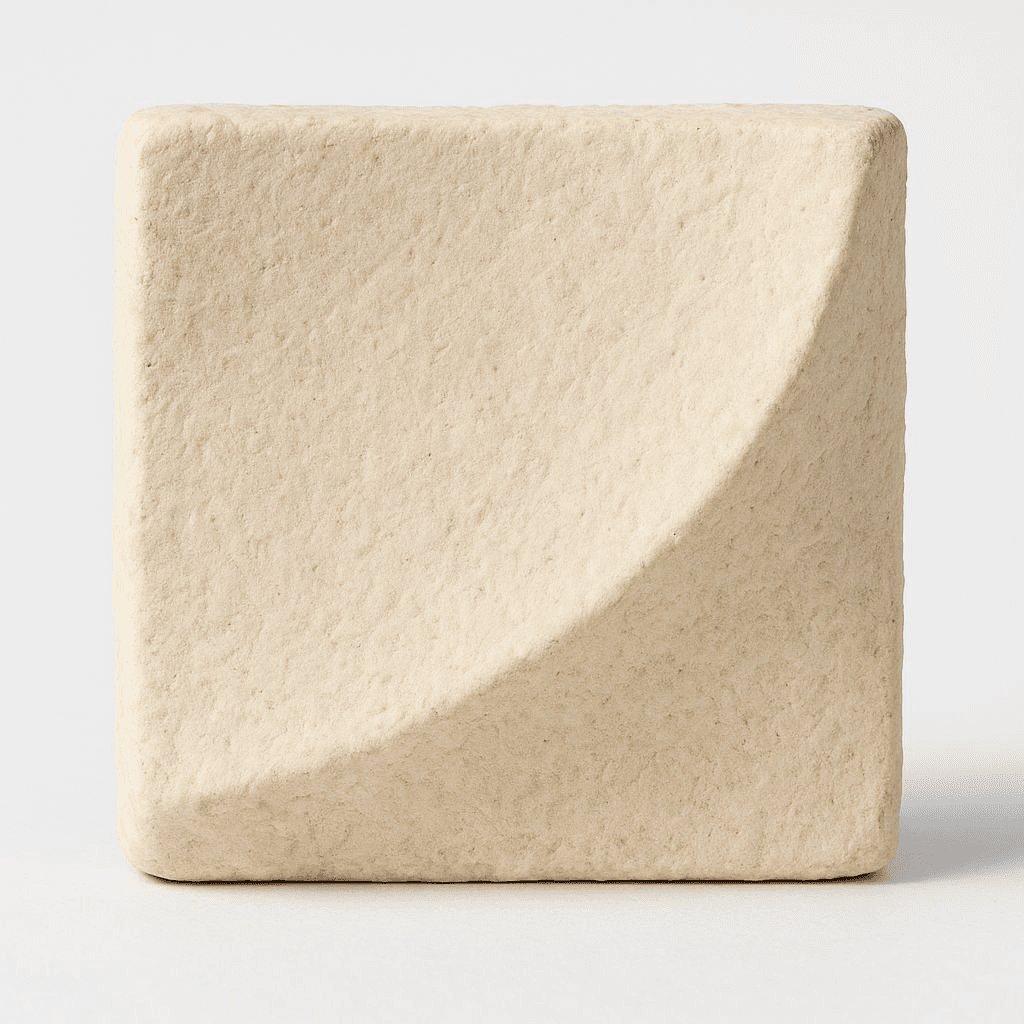
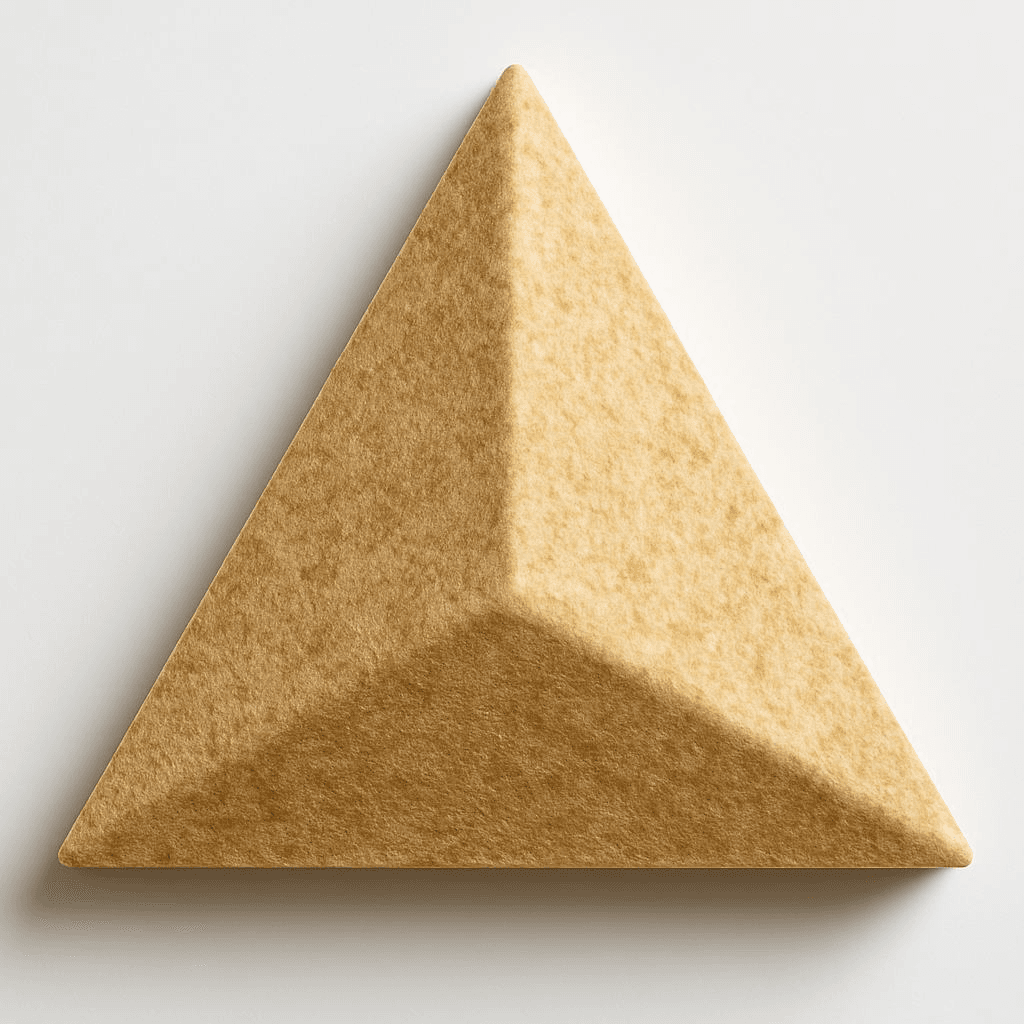
Mycelium panels achieve their NRC ratings through their naturally porous structure. The mycelium network creates millions of tiny air pockets throughout the material, each acting as a sound trap.
When sound waves enter a mycelium panel, they travel through this maze of interconnected pores. The sound energy is converted to heat through friction with the pore walls—effectively removing the sound energy from the environment.
This performance level (0.50-0.70) is ideal for most commercial and residential applications. It's high enough to significantly reduce echo and reverberation, yet maintains cost-effectiveness and ease of installation.
NRC in Real-World Applications
In practice, you don't need maximum absorption everywhere. What matters is achieving the right acoustic balance for your space's purpose.
For open offices, a mix of absorptive surfaces (NRC 0.50-0.70) and reflective surfaces creates the ideal acoustic environment. Too much absorption makes spaces feel dead and makes conversation difficult.
In restaurants, moderate absorption (like mycelium panels provide) reduces background noise without eliminating the lively atmosphere that diners expect. Perfect absorption would make the space feel unnaturally quiet.
For home theaters and music rooms, higher absorption is beneficial, but even here, NRC 0.70 is often sufficient when combined with proper panel placement.
Beyond the NRC Number
While NRC is useful, it doesn't tell the complete story. Two materials with the same NRC can perform very differently in real spaces because NRC is an average of four frequencies.
Some materials absorb high frequencies well but struggle with low frequencies (bass sounds). Others have the opposite characteristic. For comprehensive acoustic design, it's worth reviewing the full absorption spectrum, not just the NRC average.
Mycelium panels perform relatively evenly across frequencies, making them versatile for varied acoustic challenges. This balanced performance is one reason they work well in diverse applications.
Installation and Coverage
NRC ratings assume specific test conditions—typically a material sample surrounded by hard, reflective surfaces. In real installations, performance depends on coverage area, panel placement, and room characteristics.
A general rule: covering 20-40% of wall and ceiling area with panels rated NRC 0.50-0.70 provides noticeable acoustic improvement in most spaces. For problem areas with severe echo, 50-60% coverage may be appropriate.
Comparing Mycelium to Alternatives
How do mycelium panels compare to other acoustic materials at similar price points?
Standard acoustic foam panels: NRC 0.40-0.65, but not fire-resistant and contain synthetic materials that off-gas volatile organic compounds (VOCs).
Fabric-wrapped fiberglass: NRC 0.60-0.85, but fiberglass can irritate skin and lungs during installation, requires special disposal, and offers no sustainability benefits.
Perforated wood panels: NRC 0.30-0.50, aesthetically pleasing but lower performance and higher cost.
Mycelium panels match or exceed these alternatives in acoustic performance while offering superior environmental credentials, natural fire resistance, and unique aesthetic appeal. The 0.50-0.70 NRC range hits the sweet spot for performance, sustainability, and cost-effectiveness.
Making Informed Decisions
When evaluating acoustic panels, consider NRC alongside other factors: fire safety, environmental impact, aesthetics, cost, and installation requirements. The highest NRC isn't always the best choice—it's about finding the right balance for your specific needs.
Taftirium's mycelium panels offer that balance: professional-grade acoustic performance (NRC 0.50-0.70), tested fire resistance, zero VOC emissions, and distinctive natural beauty. For most applications, this combination delivers better overall value than chasing maximum absorption numbers.